
When travelers think of Georgia, they often picture postcard views of Tbilisi’s pastel balconies, the snowy peaks of Kazbegi, or the leafy vineyards of Kakheti. Yet beyond these well-known highlights lies a deeper, more intimate Georgia — one of forgotten canyons, semi-desert plateaus, crumbling spa towns, and family-run wine cellars where history is poured into every glass.
This blog takes you on a journey off the beaten track, into places that feel less like tourist stops and more like discoveries, before diving into the rich winemaking traditions that earned Georgia the title of the “cradle of wine.”
Hidden Gems of Georgia — Off the Beaten Track
While Georgia has grown in popularity over the past decade, there are still countless places where you can wander without the crowds and experience something truly authentic. These destinations reveal the country’s diverse landscapes and its ability to surprise at every turn.
Tusheti: Life on the Edge of the Caucasus
Tusheti is not simply a region — it is an adventure. Perched high in the northeast Caucasus, it can only be reached via the Abano Pass, a road that is considered one of the most dramatic in the world. The drive itself is an initiation, winding up 2,800 meters with sheer drops and sweeping alpine views.
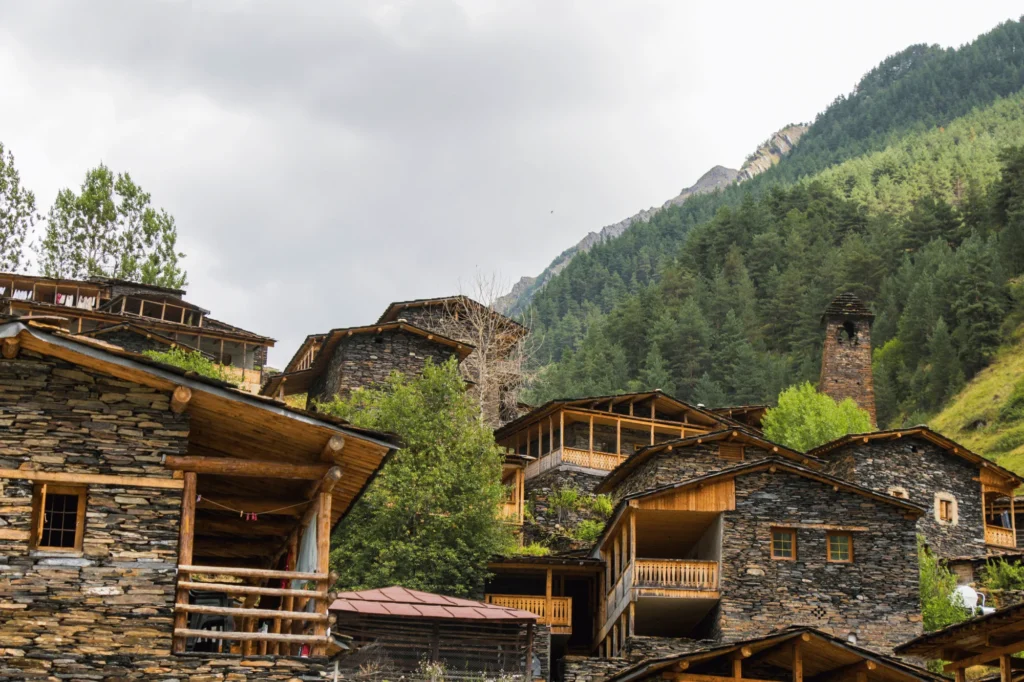
Once you arrive, you’ll find remote villages built of stone and wood, where towers from medieval times still stand guard over green valleys. Life here follows the rhythm of the seasons: summers bring shepherding and community festivals, while winters leave the villages snowbound and almost entirely cut off from the world.
For travelers, Tusheti offers horseback trails that wind through alpine meadows, hikes that cross into untouched valleys, and the chance to stay in small guesthouses run by local families. Sharing bread, cheese, and homemade wine by the hearth while hearing stories of mountain life makes the experience unforgettable.
Travel tip: Tusheti is only accessible from late spring to early autumn, as snow closes the road during winter. Always check conditions before you go and consider traveling with a local driver.
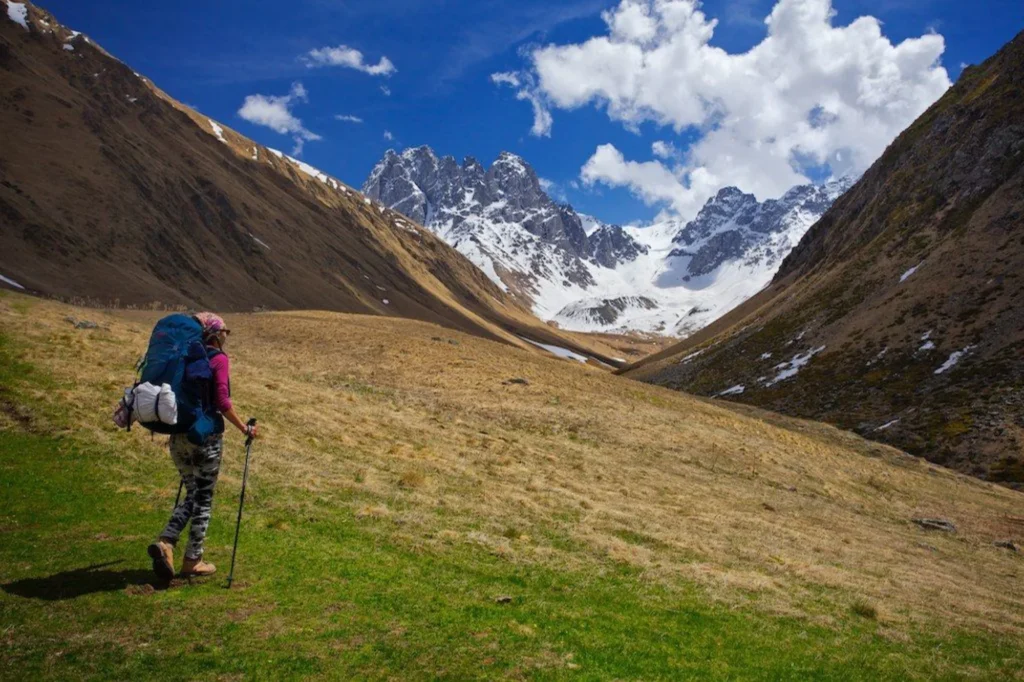
Vashlovani: Georgia’s Semi-Desert Wonderland
In the far southeast, close to the Azerbaijani border, Vashlovani Protected Areas reveal a side of Georgia few expect. Instead of snow-capped mountains, you’ll find dry steppes, canyons carved by wind, and landscapes that look almost lunar in their starkness.
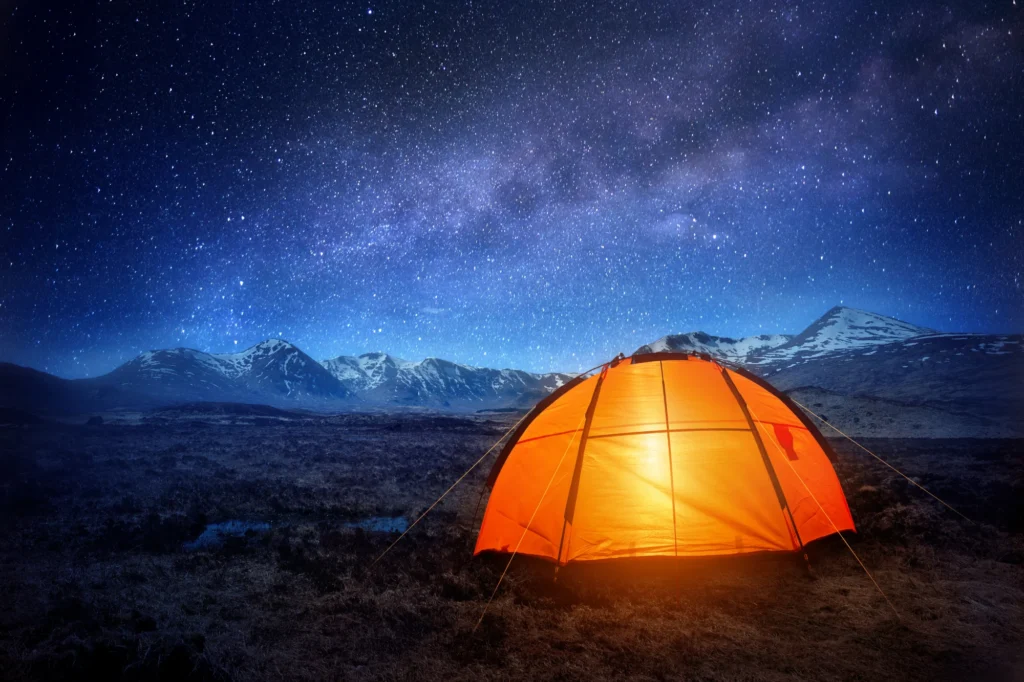
The park is home to rare wildlife — from eagles circling overhead to gazelles running across the plains. At night, the lack of light pollution makes the stars blaze brighter than in most parts of Europe. Sunsets paint the cliffs in shades of gold and crimson, a dream for photographers and nature lovers alike.
Exploring Vashlovani requires a sense of adventure. Dirt tracks lead through dramatic gorges and sandstone cliffs, and camping is one of the best ways to experience the raw wilderness.
Travel tip: A 4×4 is essential here. Bring plenty of water and food supplies, and if possible, travel with a local guide to ensure you don’t miss hidden viewpoints.
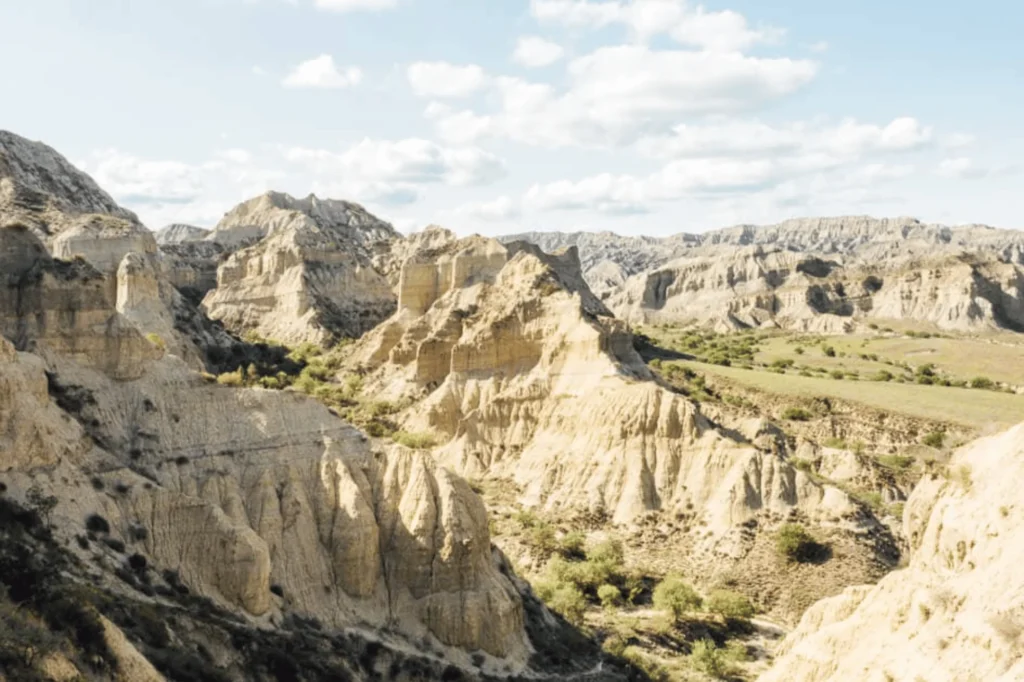
Tskaltubo: Echoes of the Soviet Spa Era
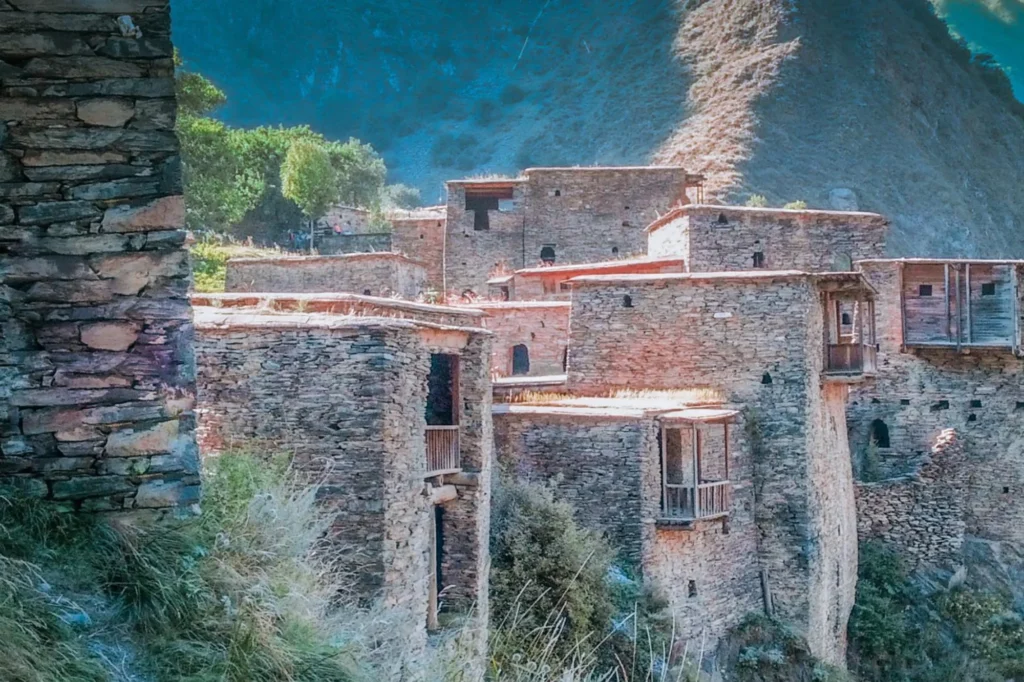
Once a glamorous spa town attracting visitors from across the Soviet Union, Tskaltubo today is a place where history lingers in quiet decay. The grand bathhouses, once frequented by Stalin himself, stand abandoned, their marble halls now overgrown with plants and streaked with sunlight.
For photographers and those who appreciate urban exploration, Tskaltubo is hauntingly beautiful. Walking through the empty corridors feels like stepping back into another era. Yet the town is not entirely frozen in time: some sanatoriums have been restored into functioning hotels and wellness centers, and you can still enjoy the thermal waters that made the town famous.
Travel tip: Be respectful when exploring abandoned buildings. Many are unstable, and some are used informally by displaced families, so always ask permission or visit with a guide.
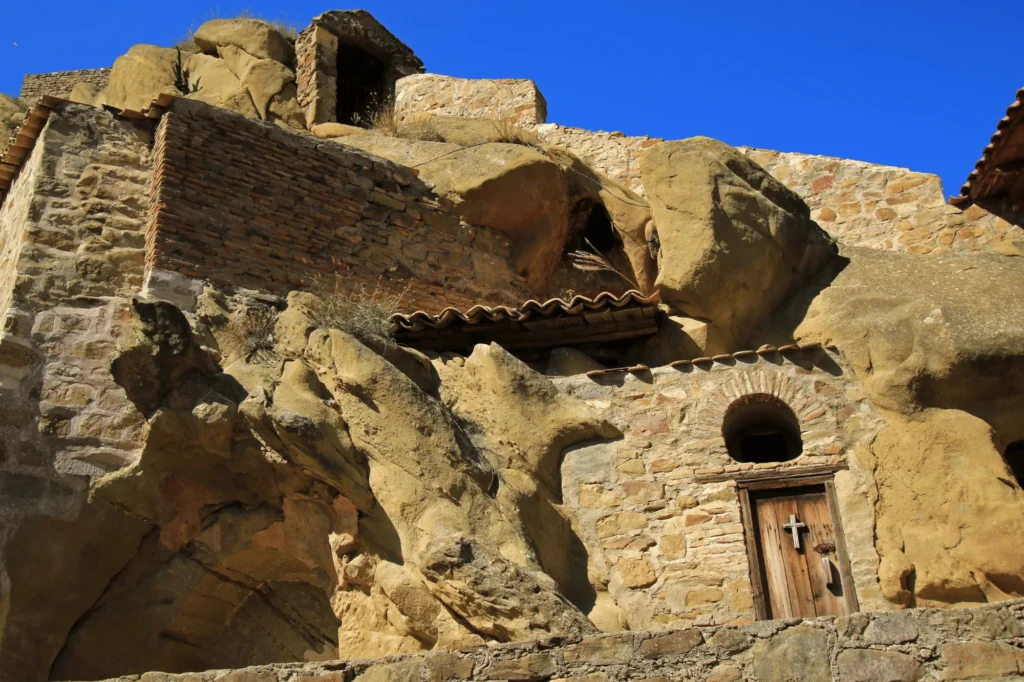
David Gareji: Monasteries in a Lunar Landscape
Set against the rolling hills of Georgia’s southeastern steppe, David Gareji is a monastic complex carved into cliffs. Founded in the 6th century, its cave cells, chapels, and frescoes tell the story of a spiritual life lived in one of the harshest environments.
The landscape surrounding the monasteries is equally mesmerizing. The hills look almost otherworldly, with streaks of red, yellow, and ochre running across them like brushstrokes on a canvas. From the ridge above, views stretch into neighboring Azerbaijan.
Hiking here combines cultural discovery with raw natural beauty. Silence dominates, broken only by the wind and the calls of birds. It is a place that invites reflection and awe.
Travel tip: The site is remote, so bring water and good walking shoes. Some trails cross disputed border areas — always check the current situation and follow local advice.
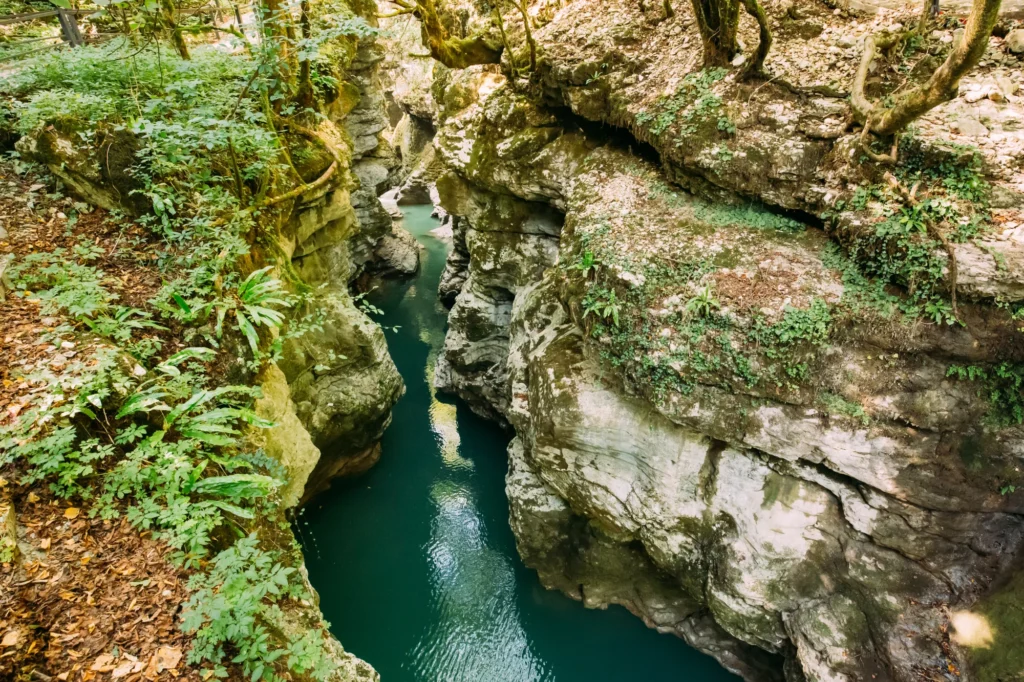
Martvili Canyon: Tranquility on Turquoise Waters
In western Georgia, Martvili Canyon is a small wonder that feels like stepping into a fairy tale. Limestone cliffs rise on either side of a narrow gorge, while emerald waters flow gently below. Visitors can take a short boat ride along the canyon, gliding past moss-covered rocks and waterfalls.
Beyond its beauty, Martvili has cultural significance too. Local legends speak of kings and nobles bathing in the canyon’s pools centuries ago. Today, it offers travelers a peaceful escape where nature and history intertwine.
Travel tip: Arrive early in the morning to avoid crowds, especially during summer. Combine your visit with a trip to Okatse Canyon for a full day of exploring western Georgia’s natural wonders.
Why Hidden Gems Matter
What unites these destinations is not only their beauty but also their intimacy. In Tusheti, guesthouses are family-run; in Vashlovani, a single ranger might guide you across miles of wilderness; in Martvili, a local boatman paddles you through the gorge. These experiences connect you to the people and the land in a way mass tourism never could.
They also showcase Georgia’s astonishing diversity: in a single trip, you can pass from alpine villages to desert plateaus, from crumbling spa resorts to monasteries carved into stone. It is this variety that makes traveling off the beaten path in Georgia so rewarding.