
Georgia’s connection to wine runs deeper than time itself. Known as the cradle of wine, this small country in the Caucasus Mountains has cultivated vines for over 8,000 years — longer than any other place on Earth. Here, winemaking is not merely an industry but a way of life, intertwined with faith, hospitality, and identity. For travelers, discovering Georgian wine is more than tasting a drink; it’s stepping into a living story that began millennia ago and continues in every village, vineyard, and home.
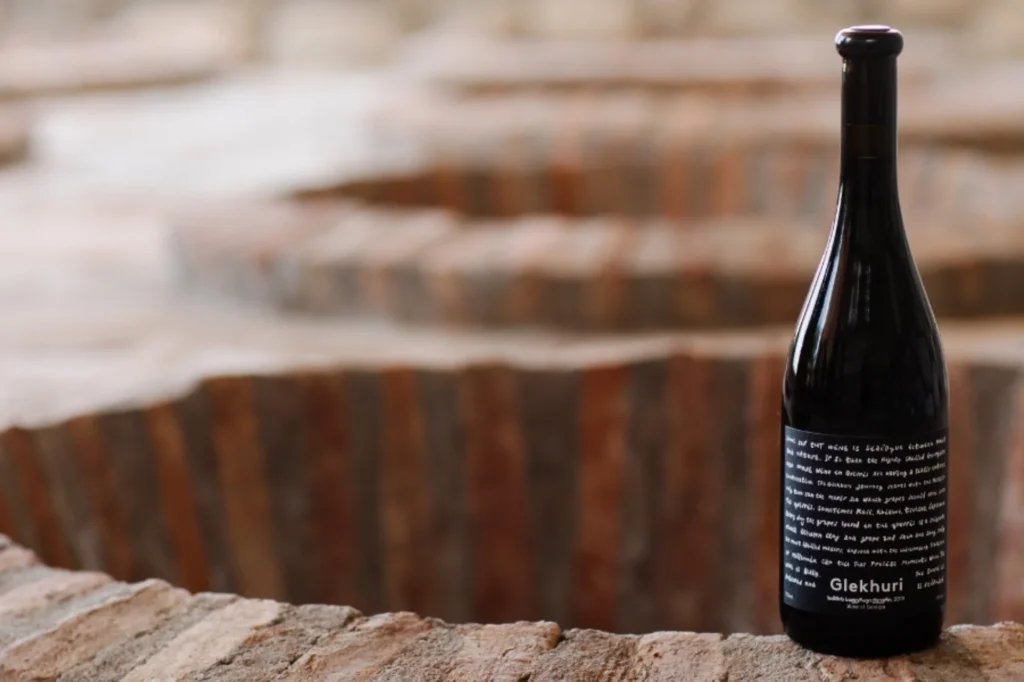
The Birthplace of Wine
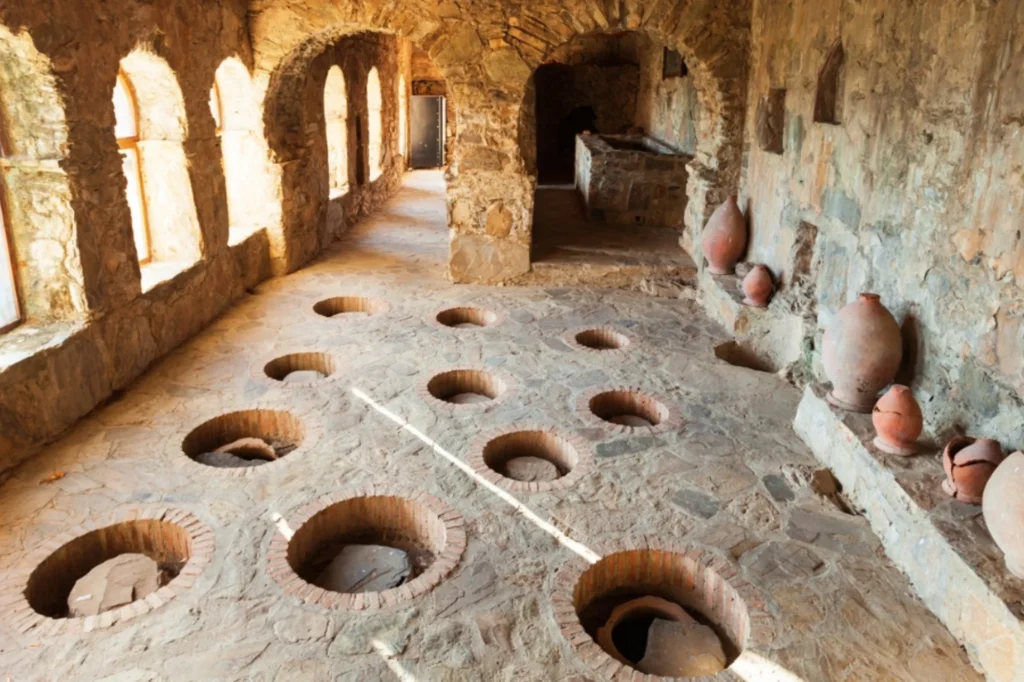
Archaeological findings in Georgia’s Kvemo Kartli region revealed clay jars — qvevri — containing grape residues dating back to 6000 BCE. These discoveries confirm what locals have always believed: Georgia is where wine was first born. The country’s fertile valleys, rich soil, and diverse microclimates created perfect conditions for viticulture long before modern techniques existed.
The word “wine” itself is believed by some linguists to derive from the ancient Georgian word gvino, further cementing Georgia’s place in global winemaking history. What makes Georgia unique is that its winemaking traditions have never been lost — they have evolved but never disappeared.
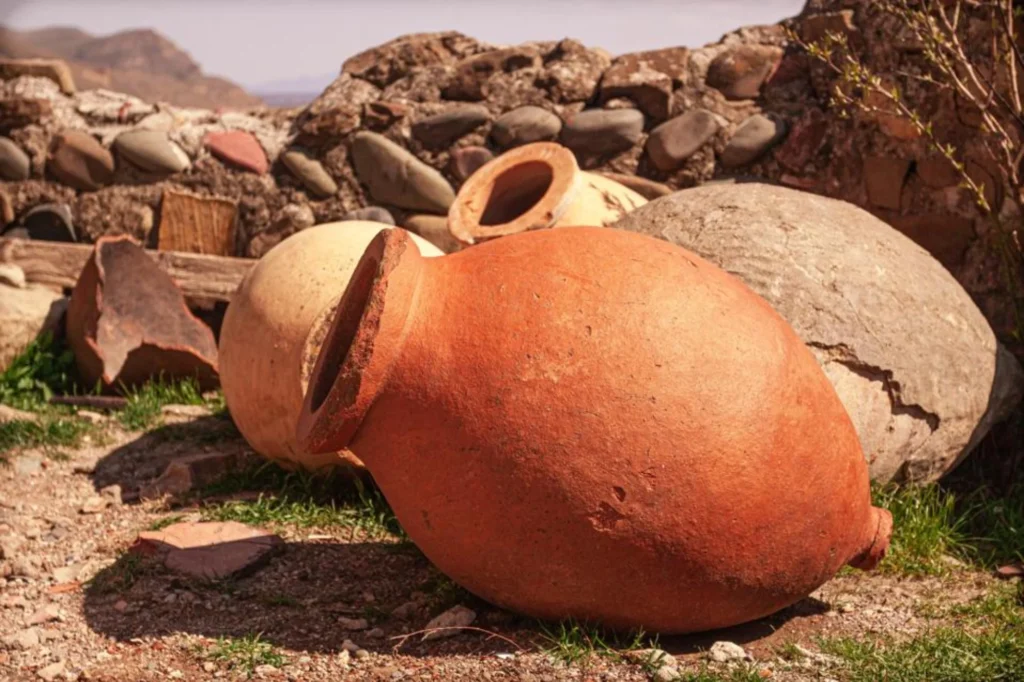
The Qvevri: A Symbol of Tradition
At the heart of Georgian winemaking is the qvevri (also spelled kvevri) — a large clay vessel buried underground and used for fermentation and aging. The process is entirely natural. Crushed grapes, skins, and stems are placed in the vessel, sealed, and left to ferment with minimal interference. The earth’s constant temperature provides natural regulation, and the wine develops a deep, complex flavor unmatched by industrial methods.
This ancient method was recognized by UNESCO as an Intangible Cultural Heritage of Humanity in 2013, highlighting its cultural and historical value. To taste wine from a qvevri is to taste the essence of Georgia — earthy, raw, and alive with tradition.
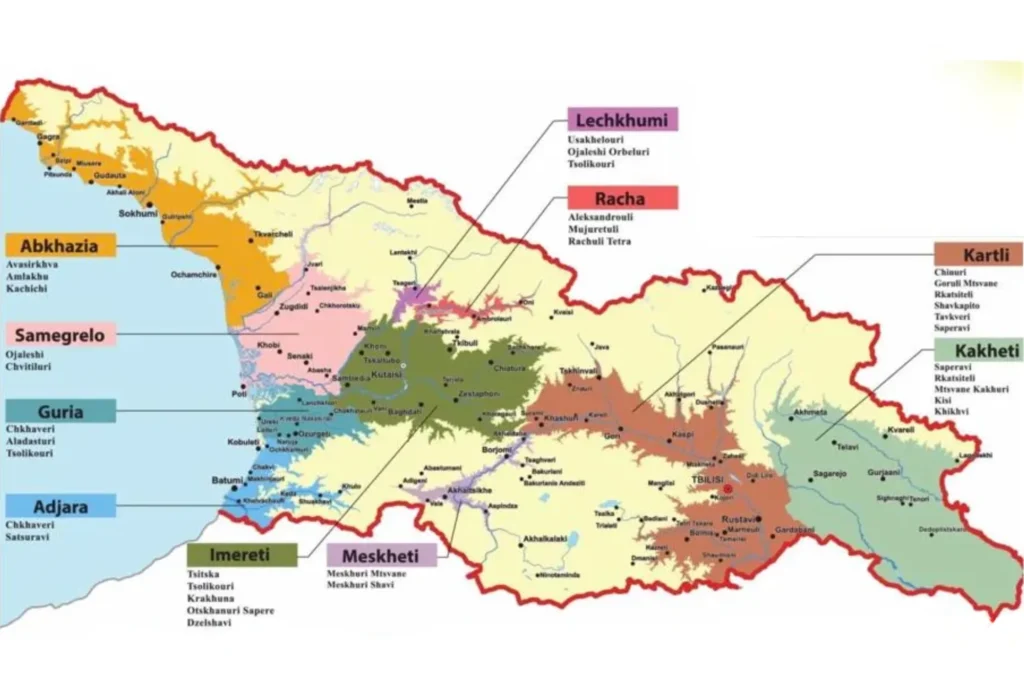
Regions and Their Signature Wines
Georgia is divided into over 20 wine-producing regions, but several stand out for their unique terroirs and flavors:
Kakheti – The Heart of Georgian Winemaking
Located in eastern Georgia, Kakheti is home to roughly 70% of the country’s vineyards. Its vast fields, sunlit hills, and ancient monasteries make it the most famous wine destination. Signature wines include:
– Saperavi: A bold, full-bodied red with deep color and rich tannins.
– Rkatsiteli: A crisp white with apple and citrus notes, often made in qvevri for a golden amber hue.
Imereti – Balanced and Elegant
In western Georgia, Imereti’s wines are lighter and more floral. Winemakers here use smaller qvevri and fewer grape skins, resulting in delicate, balanced wines. Try Tsolikouri or Krakhuna, both fresh and aromatic.
Racha – Sweet and Mountainous
Nestled in the mountains, Racha is known for its semi-sweet reds, especially Khvanchkara, a natural dessert wine loved for its smoothness and notes of ripe berries. This region’s limited production makes its wines particularly prized.
Kartli – The Historical Crossroads
Surrounding Tbilisi, Kartli produces elegant dry wines and sparkling varieties. It’s also where modern and traditional methods blend most seamlessly — showcasing the country’s winemaking evolution.
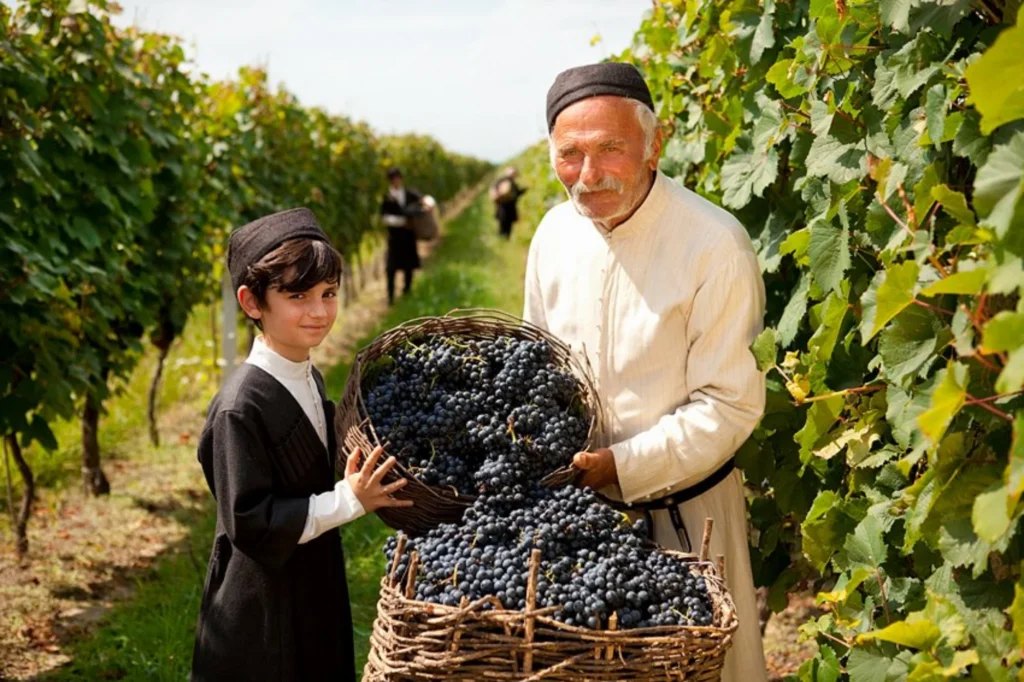
The Rtveli: Harvest Season of Joy
Every autumn, Georgians celebrate Rtveli, the grape harvest festival. It’s not just agricultural work; it’s a national celebration. Families, friends, and neighbors gather to pick grapes, sing folk songs, and prepare feasts filled with laughter and endless toasts.
During Rtveli, visitors can join the harvest in Kakheti or Imereti, press grapes by foot, and dine outdoors beneath vineyard trellises. Wine flows freely, toasts are led by a tamada (toastmaster), and everyone is welcome. This celebration perfectly embodies Georgian hospitality — where strangers become friends, and every meal turns into a memory.
Modern Winemaking: Where Old Meets New
While Georgia honors its ancient roots, the new generation of winemakers is reinventing tradition. Boutique wineries blend innovation with heritage, producing natural wines that are gaining international acclaim. Wineries like Pheasant’s Tears, Chateau Mukhrani, and Tsinandali Estate offer immersive tours and tastings that combine history, architecture, and flavor.
Many young winemakers are reviving endangered grape varieties — Georgia has over 500 indigenous types, more than any other country in the world. This diversity ensures that no two Georgian wines taste the same.
Wine and Culture: More Than a Drink
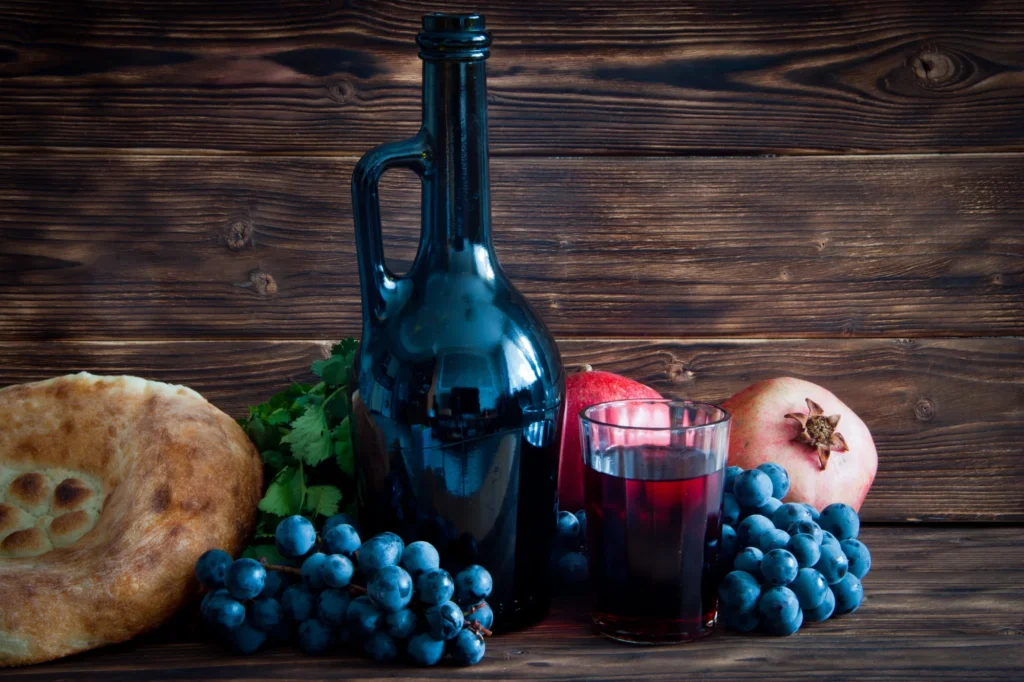
In Georgia, wine is sacred. It appears in religion, art, and song. Every supra (traditional feast) is guided by wine, every toast a reflection of gratitude and connection. From baptismal ceremonies to national holidays, wine represents life and continuity.
Even in ancient churches, you’ll find vine motifs carved into stone — symbols of rebirth and eternity. Georgian wine is not just consumed; it is experienced, celebrated, and shared. To drink Georgian wine is to share in a cultural dialogue that spans millennia.
Practical Tips for Wine Travelers
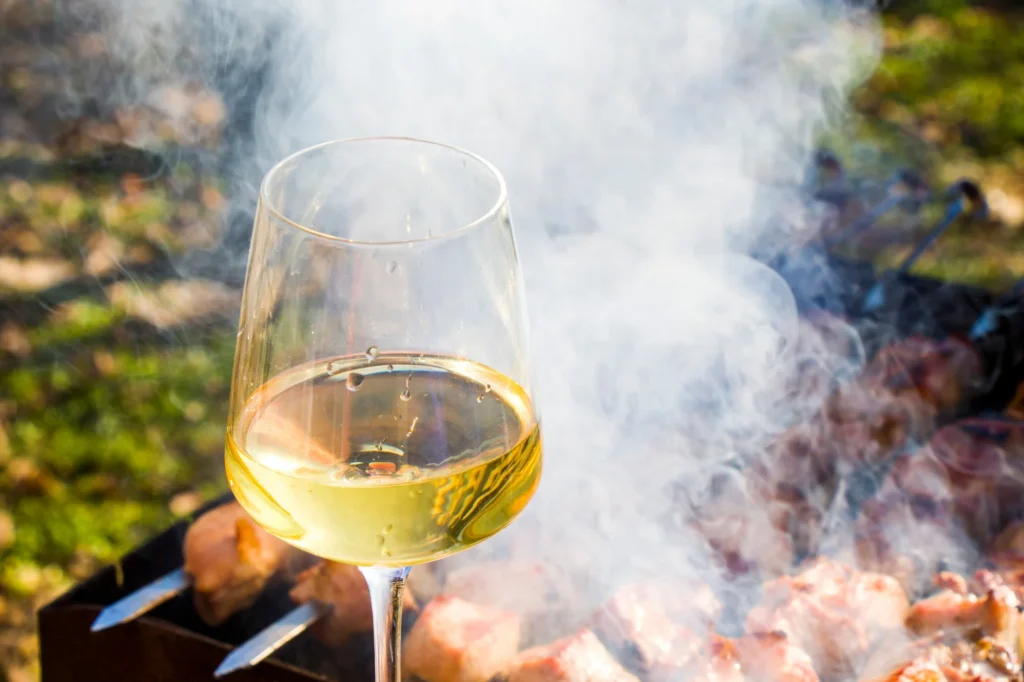
– Best time to visit: September to October during Rtveli for the full harvest experience.
– Where to go: Start in Kakheti for scale and variety, then explore smaller family cellars in Imereti or Kartli.
– What to try: Don’t miss qvevri-aged amber wines — rare, rich, and authentic.
– Stay local: Many wineries offer guesthouses, homemade meals, and cooking classes for immersive experiences.
– Learn the toasts: Joining a supra? Raise your glass and follow the tamada’s lead — every toast tells a story.
Conclusion: A Living Legacy
From grape to glass, Georgian winemaking is a journey through time. It connects ancient clay, sunlit vines, and the enduring spirit of a people who have perfected the art of hospitality. Whether sipping a rustic qvevri wine in a mountain village or enjoying a refined vintage in a modern cellar, visitors discover that Georgian wine is not simply made — it’s lived.
Each bottle carries the heartbeat of a nation, a taste of the land where wine was born, and a reminder that some traditions are too beautiful ever to fade.