

Tucked between the Black Sea and the towering Caucasus Mountains, Georgia is a land of raw natural beauty — lush forests, alpine lakes, endless vineyards, and ancient villages where time moves slowly. Over the past decade, the country has quietly become one of Europe’s most exciting eco-tourism destinations. Travelers seeking authenticity and sustainability find that Georgia offers both — pristine landscapes and a growing commitment to protect them.
Nature Worth Protecting
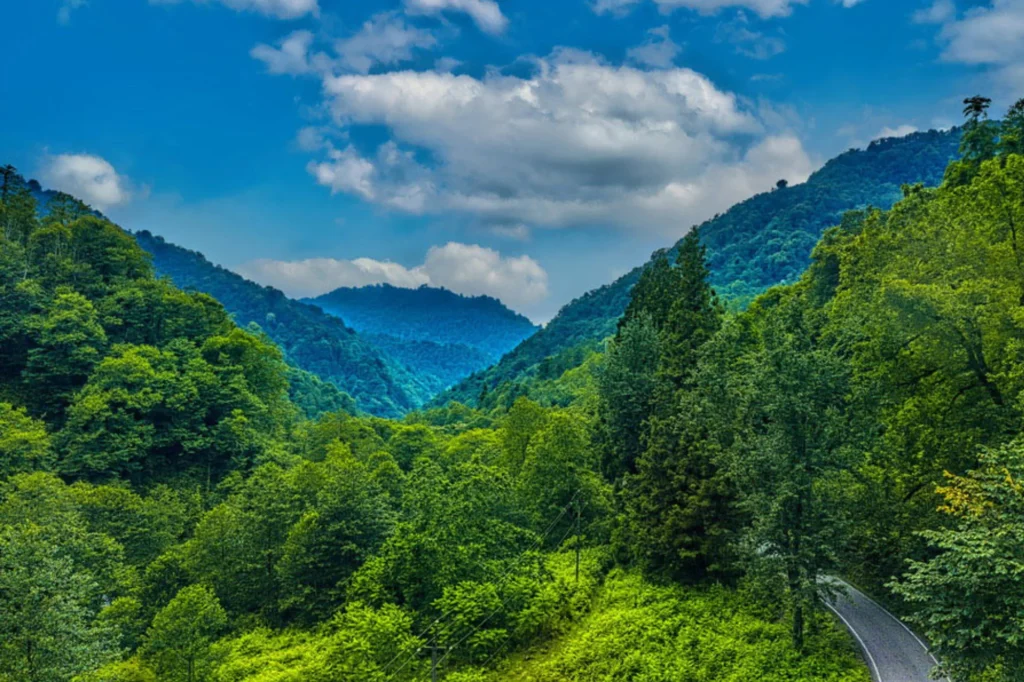
Georgia’s geography is a miracle of diversity. Within just a few hours, you can go from subtropical wetlands to snowy peaks, from dense forests to semi-desert. The country’s 14 national parks and more than 90 protected areas safeguard an incredible range of ecosystems — and provide endless opportunities for responsible travel.
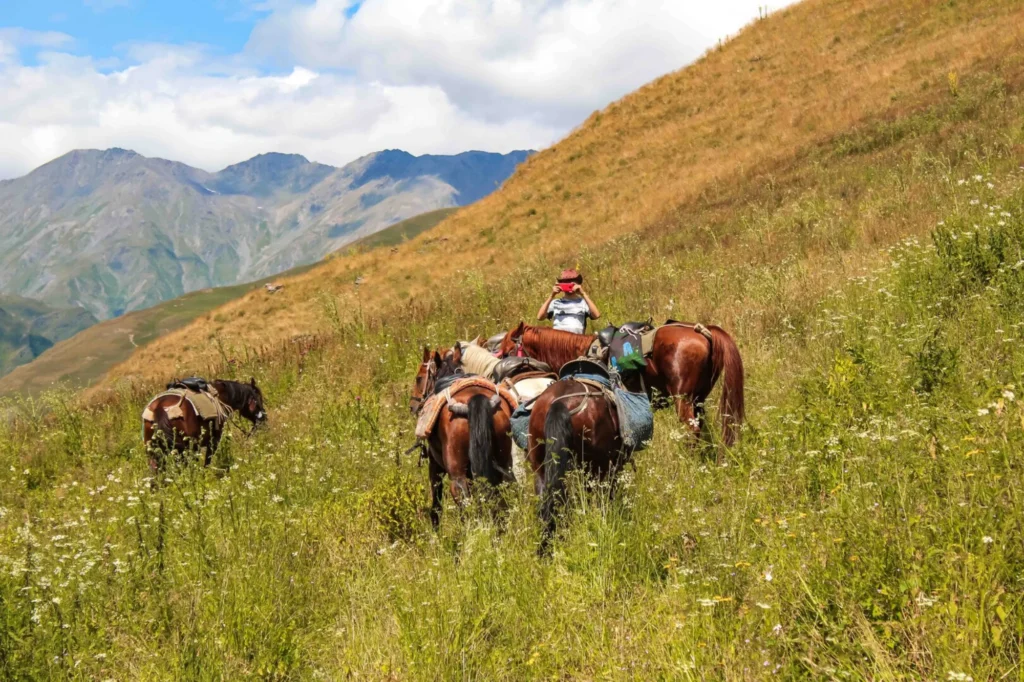
Borjomi-Kharagauli National Park, one of the largest in Europe, offers well-marked hiking and horseback trails through ancient spruce forests and alpine meadows. In Lagodekhi Protected Area, visitors can spot deer and eagles in untouched wilderness, while Vashlovani National Park in the east reveals desert cliffs, mud volcanoes, and roaming gazelles. These are not tourist traps — they are living landscapes, where conservation meets exploration.
Local Voices, Global Values
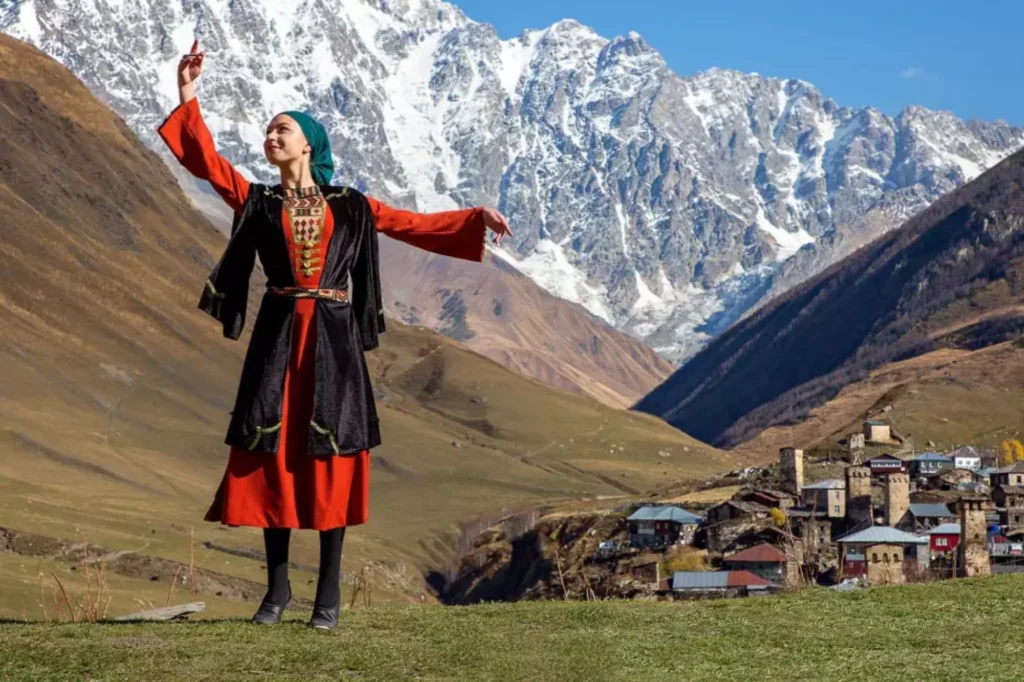
What makes eco-tourism in Georgia special is its community-driven approach. In mountain regions like Svaneti and Tusheti, villagers open their homes to travelers, offering homemade food and stories beside a warm fire. Staying in a local guesthouse is not only authentic — it directly supports families who protect fragile ecosystems.
Many of these communities are reviving traditional crafts, organic farming, and heritage food production. Projects supported by organizations like the Georgian Ecotourism Association encourage locals to maintain their land sustainably while welcoming visitors. It’s travel with purpose — every meal, every trail, every encounter strengthens a bond between people and nature.
Eco-Adventures for Every Traveler
Sustainability doesn’t mean sacrificing adventure. In fact, it enhances it.
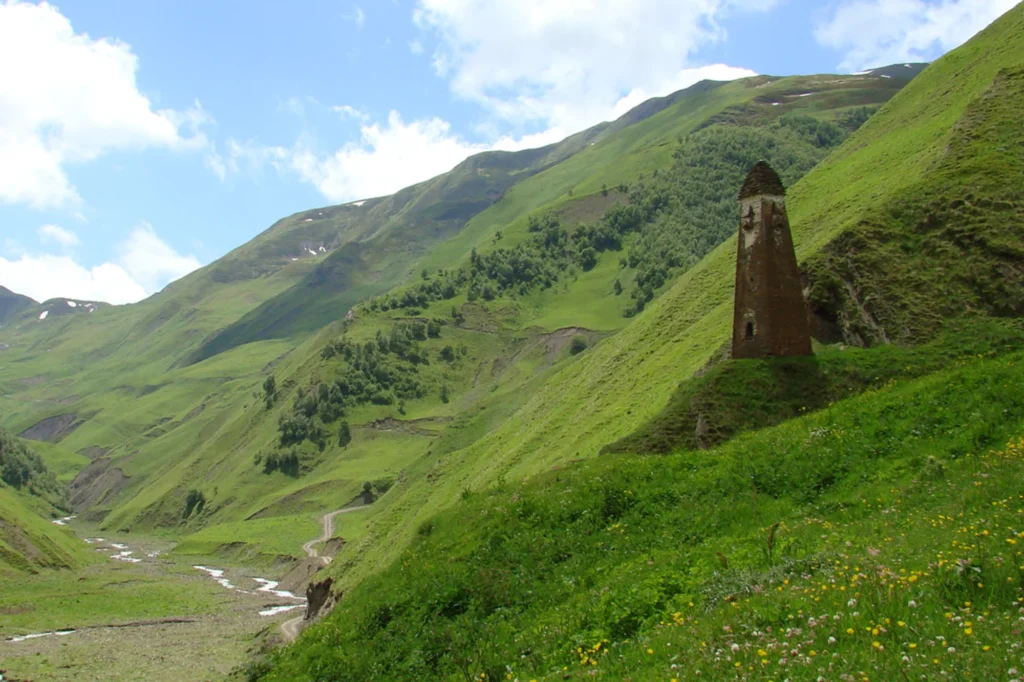
Hikers can tackle routes like the Omalo–Shatili trail, winding through medieval towers and green valleys. Cyclists explore quiet backroads between vineyards, while birdwatchers find heaven in Kolkheti wetlands.
In Adjara, eco-lodges nestled between the sea and forest promote responsible coastal tourism. Kayaking down rivers, camping under starry skies, or simply joining a reforestation project — these are the kinds of memories eco-tourism in Georgia creates.
Winter travelers aren’t left out either: Gudauri and Bakuriani ski resorts are increasingly introducing waste-reduction programs and eco-friendly accommodations.
Sustainable Wine and Food Tourism
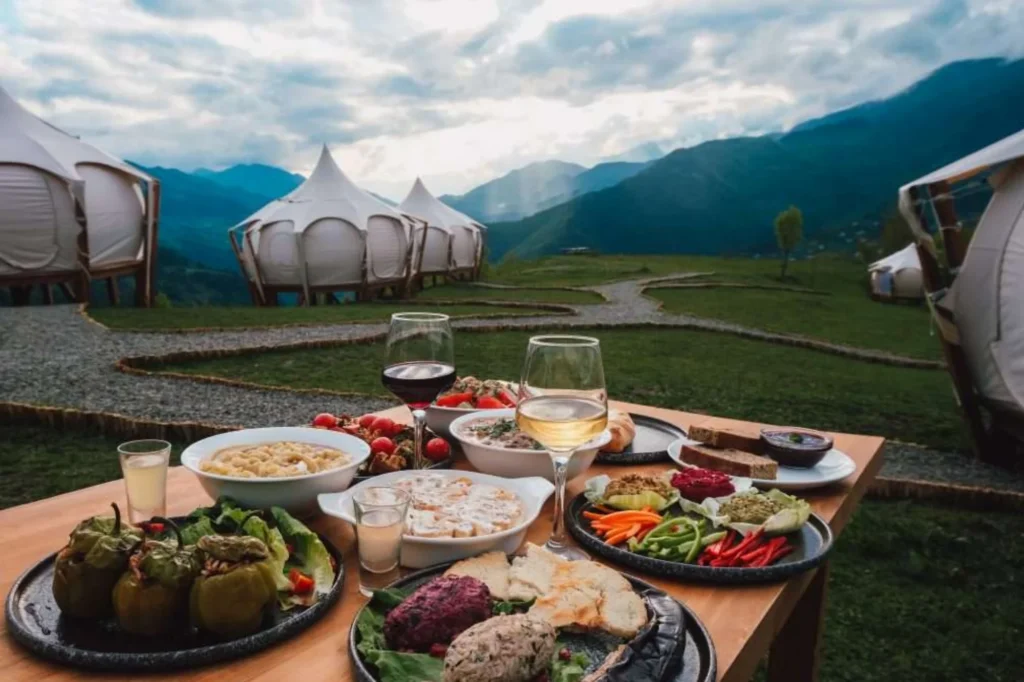
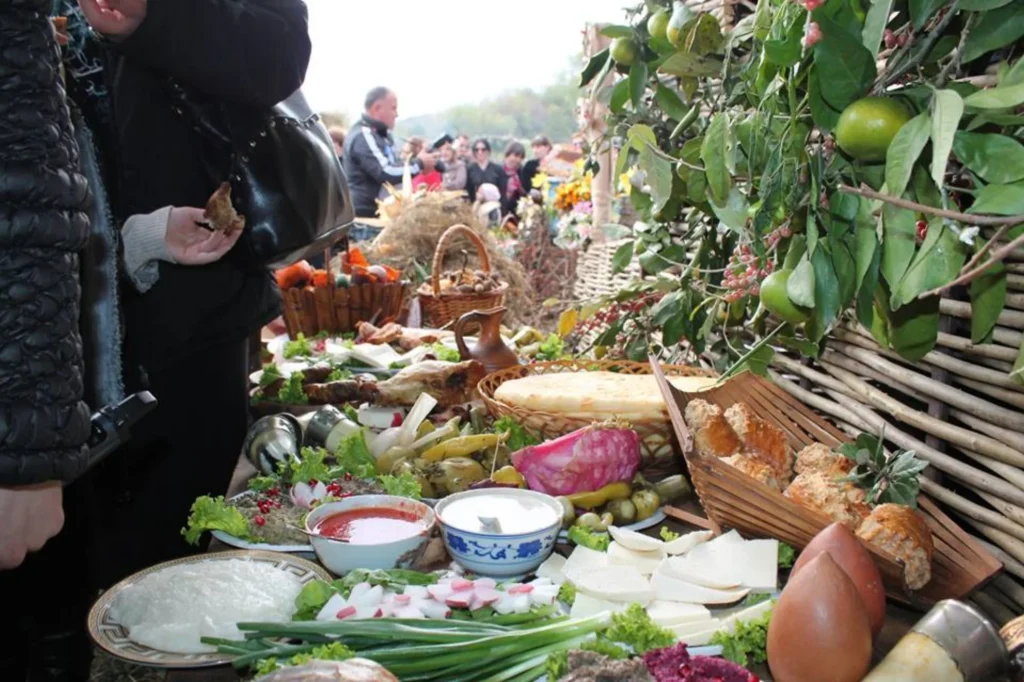
Georgia’s food culture naturally aligns with sustainability. Traditional recipes rely on local, seasonal ingredients — and farm-to-table isn’t a new concept here; it’s how Georgians have always lived.
Visitors can join organic farms in Kakheti for harvest days, taste natural wines made in clay qvevri, or learn how to bake shotis puri (traditional bread) in a clay oven. Many rural families now host culinary workshops that share not only recipes but philosophies: respect for land, patience, and generosity.
Conservation Efforts and Challenges
Like many developing tourism destinations, Georgia faces a delicate balance between growth and preservation. Increased tourism brings economic opportunities but also environmental pressure — overhiking, waste, and construction risks in protected zones.
Thankfully, awareness is growing. NGOs, local communities, and the government are collaborating to promote responsible tourism standards. Campaigns like “Leave No Trace Georgia” educate hikers about minimizing impact, while eco-certifications encourage hotels and tour operators to adopt greener practices.
The goal is simple: ensure that the mountains, rivers, and forests remain as breathtaking tomorrow as they are today.
How to Travel Sustainably in Georgia
– Choose local: Stay in guesthouses or eco-lodges run by Georgian families.
– Respect trails: Stick to marked paths in national parks to protect vegetation.
– Minimize waste: Carry reusable bottles and bags — recycling is limited outside big cities.
– Support conservation: Many parks accept small donations that directly fund rangers and cleanups.
– Travel off-season: Visit in spring or autumn to reduce overtourism in popular areas.
– Be mindful: Ask before photographing people or entering religious sites; respect local customs.
Sustainable travel in Georgia isn’t complicated — it’s about small, conscious choices that make a big difference.
Conclusion: A Greener Future, Rooted in Tradition
Eco-tourism in Georgia is not a trend — it’s a return to balance. In a land where hospitality and nature have always been intertwined, sustainability feels natural, even ancient. The same mountains that shaped Georgian folklore now inspire a new kind of traveler — one who values connection over consumption.
From the silence of Svaneti’s peaks to the green valleys of Adjara, Georgia invites the world to explore responsibly and leave only footprints of respect. Because the most meaningful journeys are those that give back.