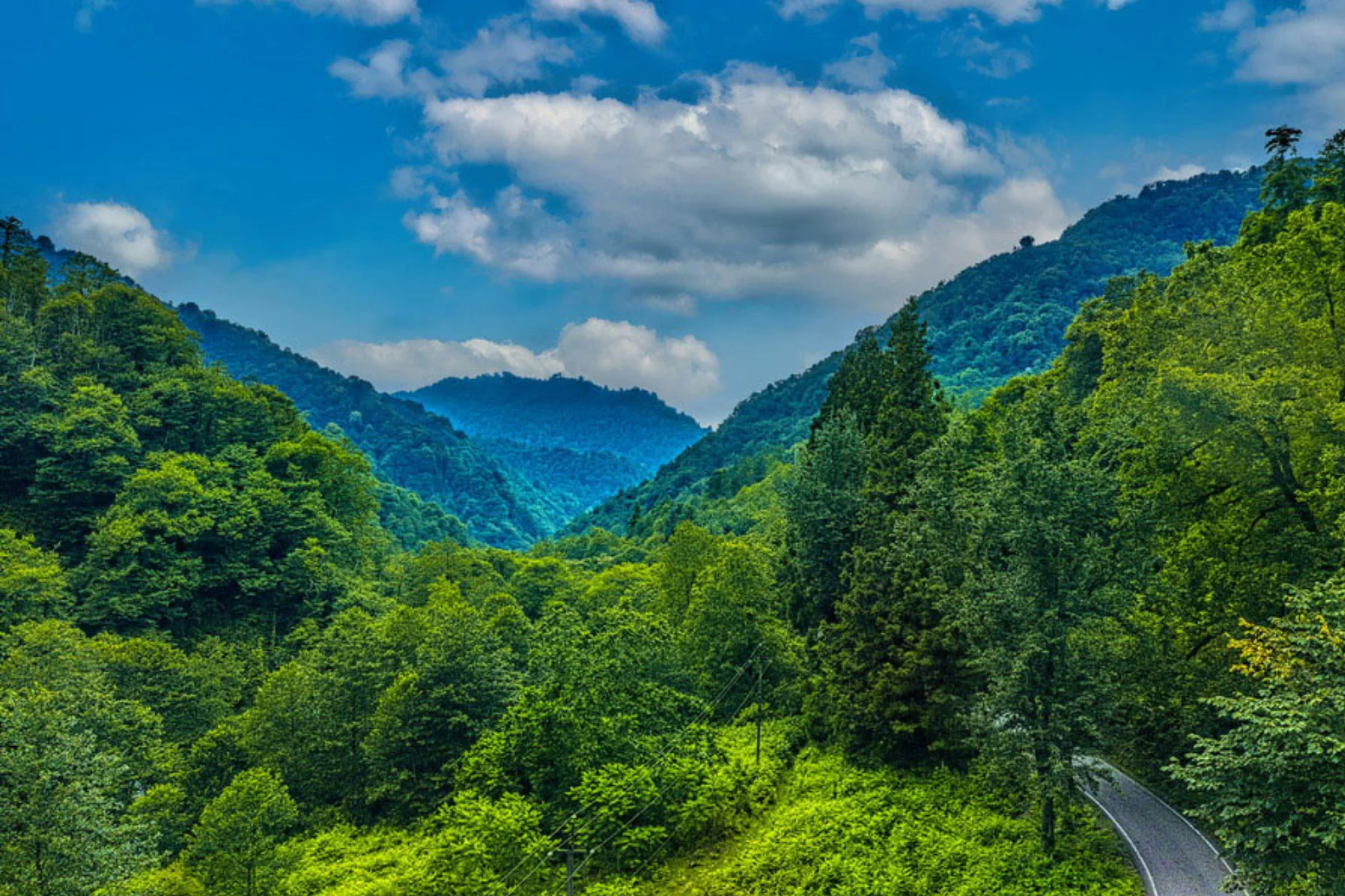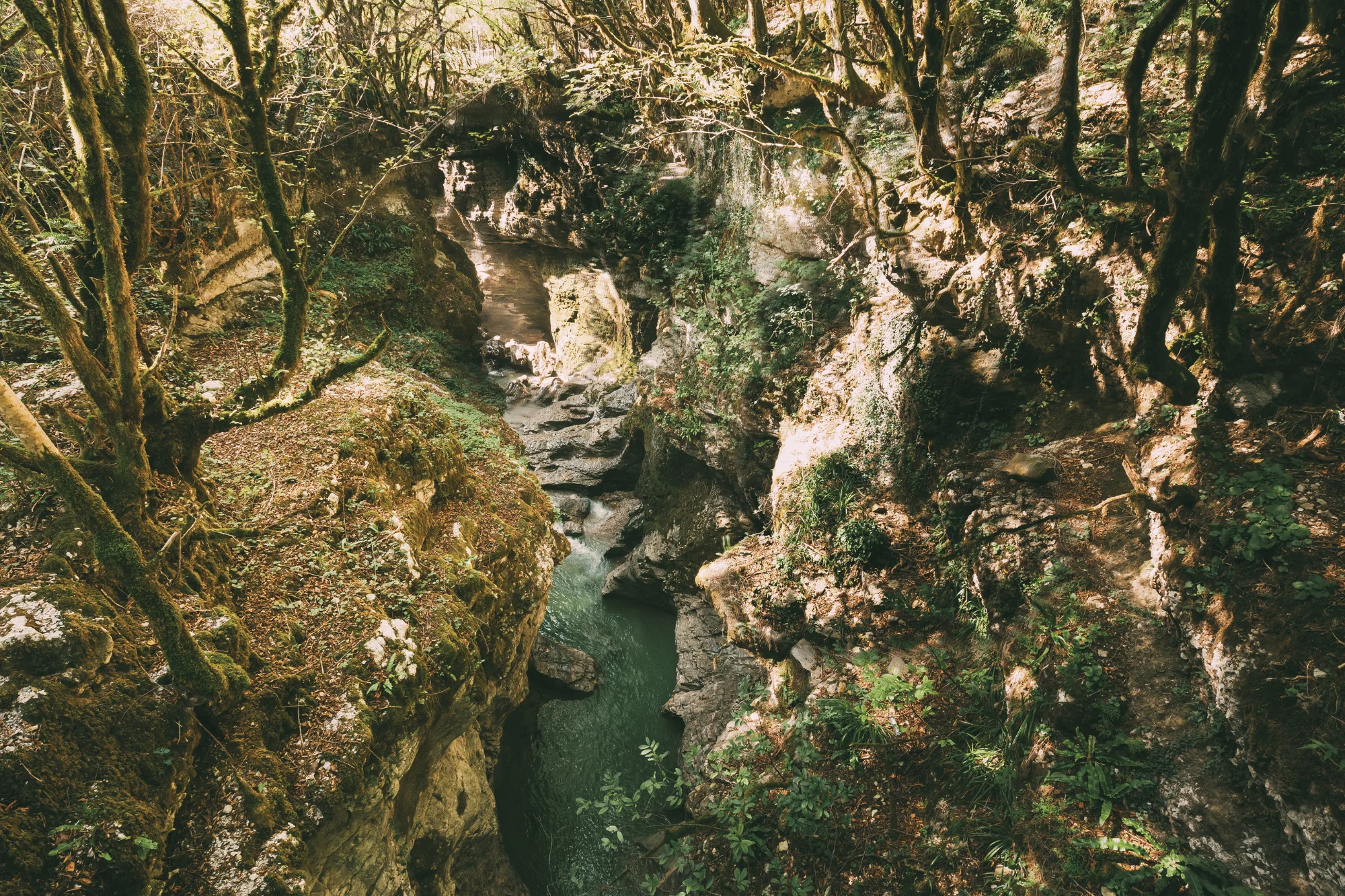

Georgia is a land where every stone whispers a story. Its ancient towns — built on crossroads of empires and trade routes — are living museums filled with culture, faith, and timeless charm. From cobblestone streets lined with wine cellars to mountain fortresses overlooking deep valleys, Georgia’s towns invite travelers to slow down, wander, and feel the heartbeat of history beneath their feet.
Mtskheta – The Spiritual Heart of Georgia
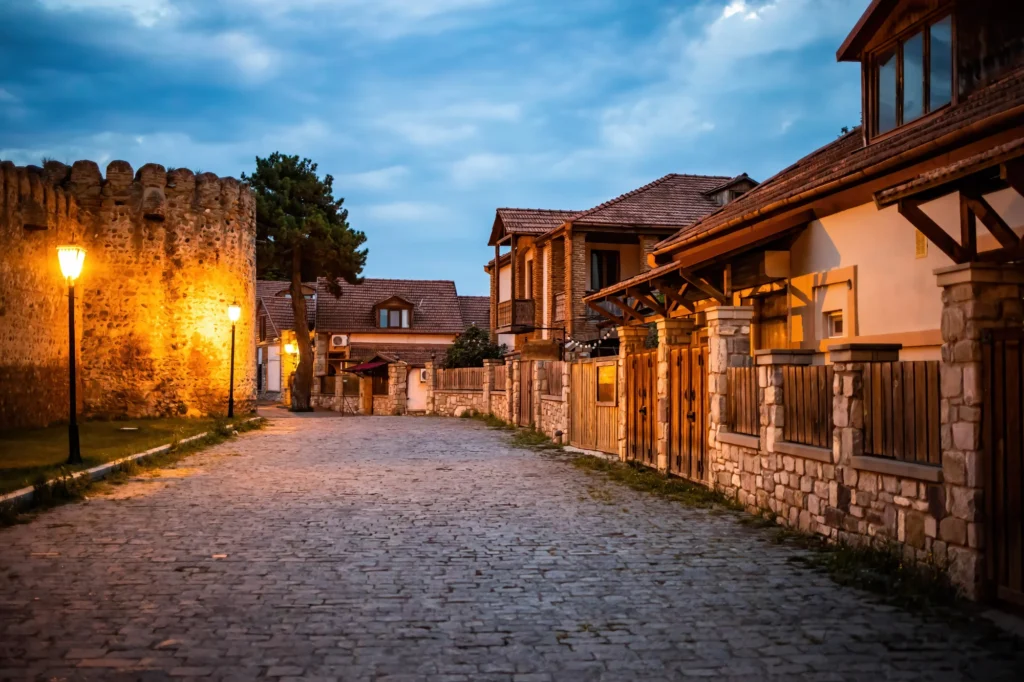
Just 20 minutes from Tbilisi, Mtskheta is not only one of the oldest cities in Georgia but also one of its most sacred. Once the capital of the ancient Kingdom of Iberia, Mtskheta has been a center of Christianity since the 4th century.
The town’s crown jewel, Svetitskhoveli Cathedral, is a UNESCO World Heritage Site — an architectural masterpiece surrounded by narrow streets, local craft shops, and peaceful courtyards. Pilgrims and tourists alike come to feel its serene atmosphere and admire frescoes that date back hundreds of years.
Just above the town, Jvari Monastery sits on a hill overlooking the confluence of two rivers, offering one of the most iconic views in all of Georgia. Sunset here feels timeless, as if the centuries themselves have paused to watch the light fade
Do you like it? Learn more about Mtskheta
Sighnaghi – The City of Love and Views
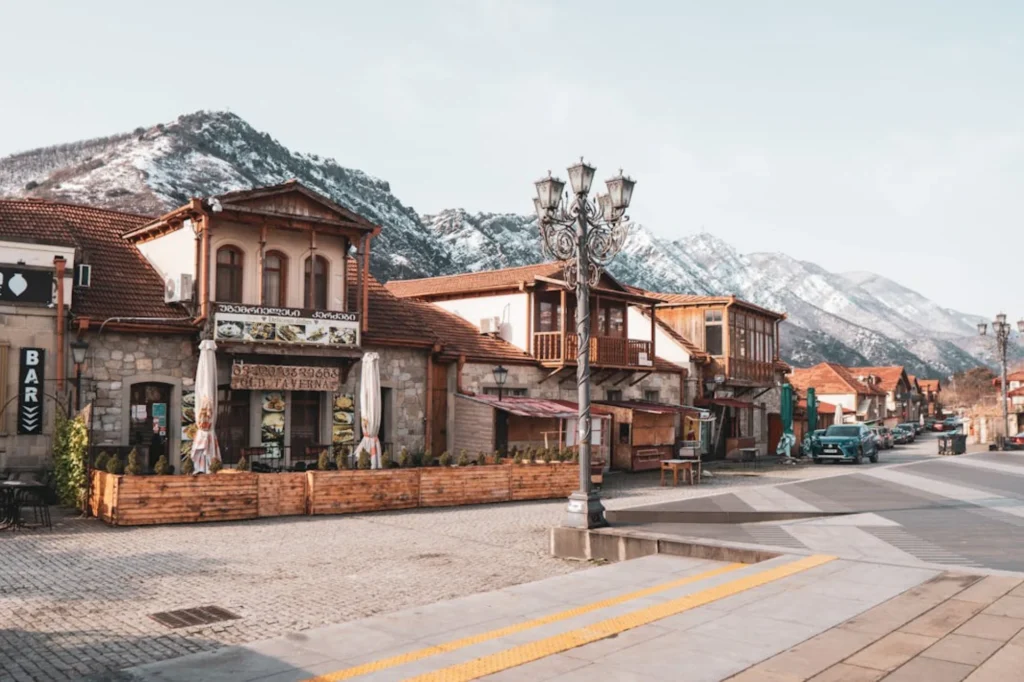
Perched on a hilltop in eastern Georgia’s Kakheti region, Sighnaghi is often called the “City of Love.” With its pastel houses, red rooftops, and panoramic views over the Alazani Valley, it’s a romantic blend of Italian charm and Georgian warmth.
Visitors can stroll along its restored stone walls, once built to protect the town from invaders, or sip local wine in cozy family cellars. Art lovers should stop by the Pirosmani Museum, dedicated to Georgia’s most famous self-taught painter.
Evenings in Sighnaghi are made for slow walks, candlelit dinners, and a glass of amber wine while listening to distant church bells echoing through the valley.
Kutaisi – A Blend of History and Everyday Life
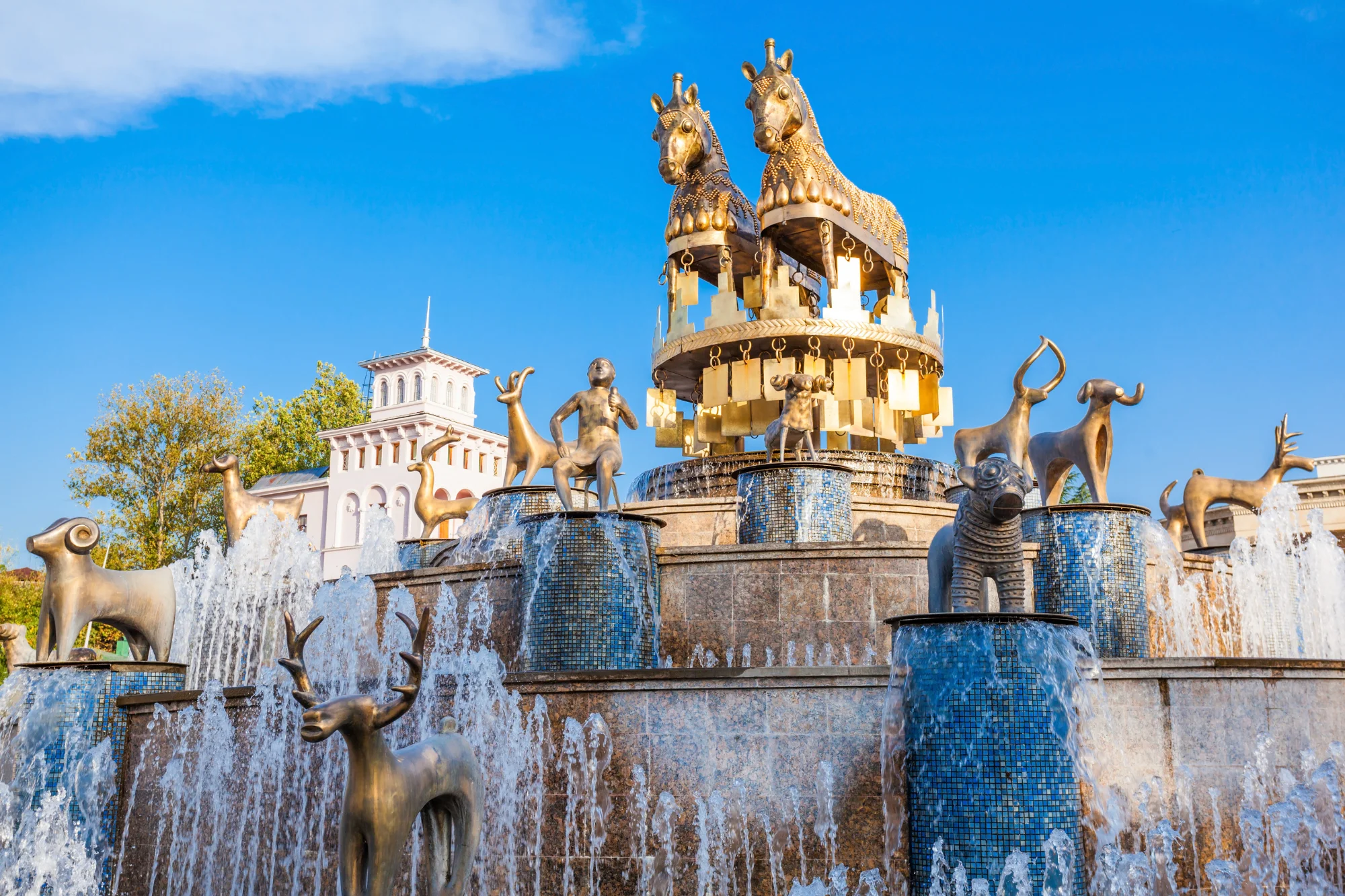
Kutaisi, one of the world’s oldest continuously inhabited cities, lies in western Georgia on the banks of the Rioni River. Once the capital of the Kingdom of Colchis — where, according to legend, Jason and the Argonauts sought the Golden Fleece — Kutaisi perfectly blends history with daily life.
The Bagrati Cathedral, standing proudly atop Ukimerioni Hill, is both a national symbol and a masterpiece of medieval architecture. A short drive away, the Gelati Monastery, another UNESCO site, showcases colorful mosaics and an academic legacy that once attracted scholars from across the region.
Beyond monuments, Kutaisi’s charm lies in its rhythm — bustling farmers’ markets, riverside cafés, and friendly locals who greet every visitor with a smile and an offer of homemade wine. Kutaisi feels real, unpolished, and authentic — a living city that wears its history with pride.
Telavi – The Heart of Wine Country
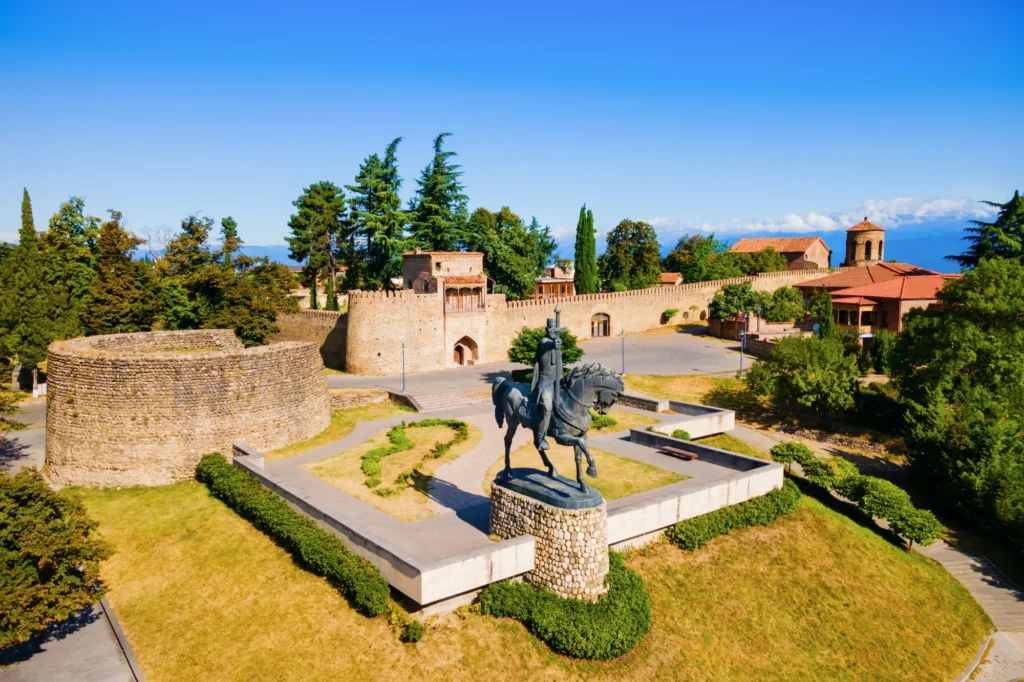
In the rolling hills of Kakheti, Telavi serves as both a gateway to Georgia’s wine country and a historic town rich in tradition. Once ruled by King Erekle II, Telavi still carries traces of its royal past. The Batonis Tsikhe Fortress dominates the town center, while old streets are filled with rustic balconies, vine-covered courtyards, and family-run shops selling homemade chacha.
The local market is a delight — bursting with fresh produce, cheeses, and sweets — while nearby wineries like Tsinandali Estate and Shumi offer tastings surrounded by vineyards. Telavi captures the essence of rural Georgia: history, hospitality, and a love for the land.
Tbilisi Old Town – Where Past and Present Meet
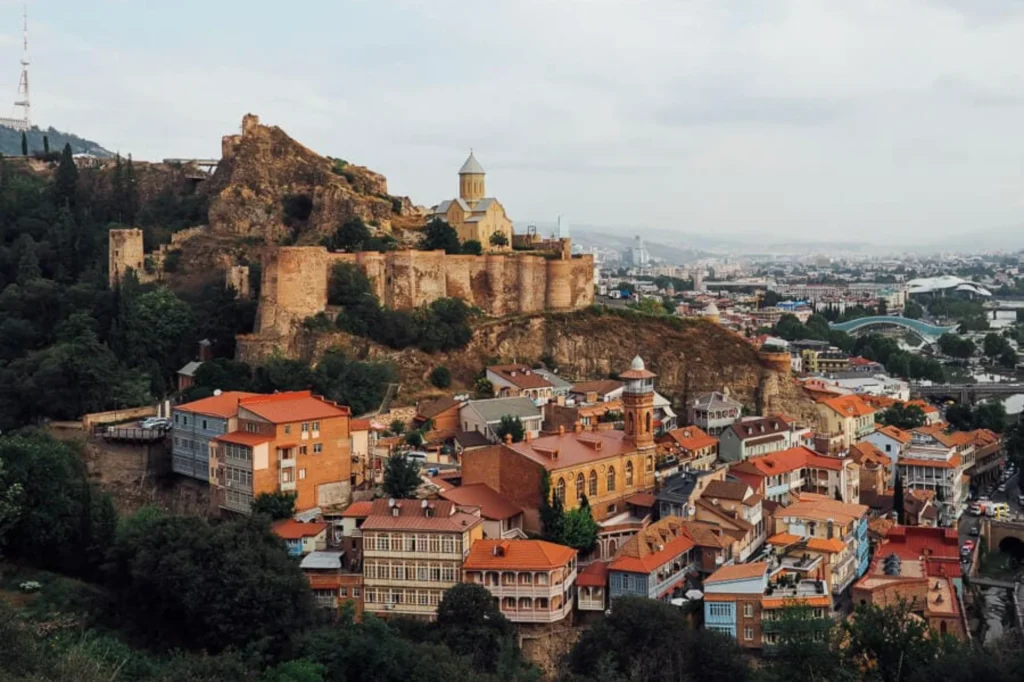
No journey through Georgia’s historic towns is complete without exploring Old Tbilisi, a living blend of ancient and modern. Wooden balconies painted in turquoise and pink lean over winding lanes, sulfur bath domes rise in Abanotubani, and churches, mosques, and synagogues coexist side by side — a true reflection of Georgia’s multicultural soul.
Walk up to Narikala Fortress for sweeping views over the Mtkvari River, then unwind in one of the many wine bars hidden in courtyards. Street art, jazz cafés, and artisan shops give Old Tbilisi a timeless yet youthful energy. It’s a place where you can drink coffee under a medieval wall and feel both the past and future in one breath.
Want to know more about Tbilisi?
Practical Tips for Exploring Historical Towns
– Getting around: Most towns are within a few hours’ drive from Tbilisi; private tours or rental cars offer flexibility.
– Stay overnight: Many small towns transform after dark — quieter, more atmospheric, and full of local life.
– Local food: Try regional specialties — kubdari in Svaneti, churchkhela in eastern Georgia, lobiani in Imereti.
– Best time to visit: Spring and autumn offer mild weather and fewer crowds.
– Respect traditions: Churches often require modest clothing; always ask before photographing locals.