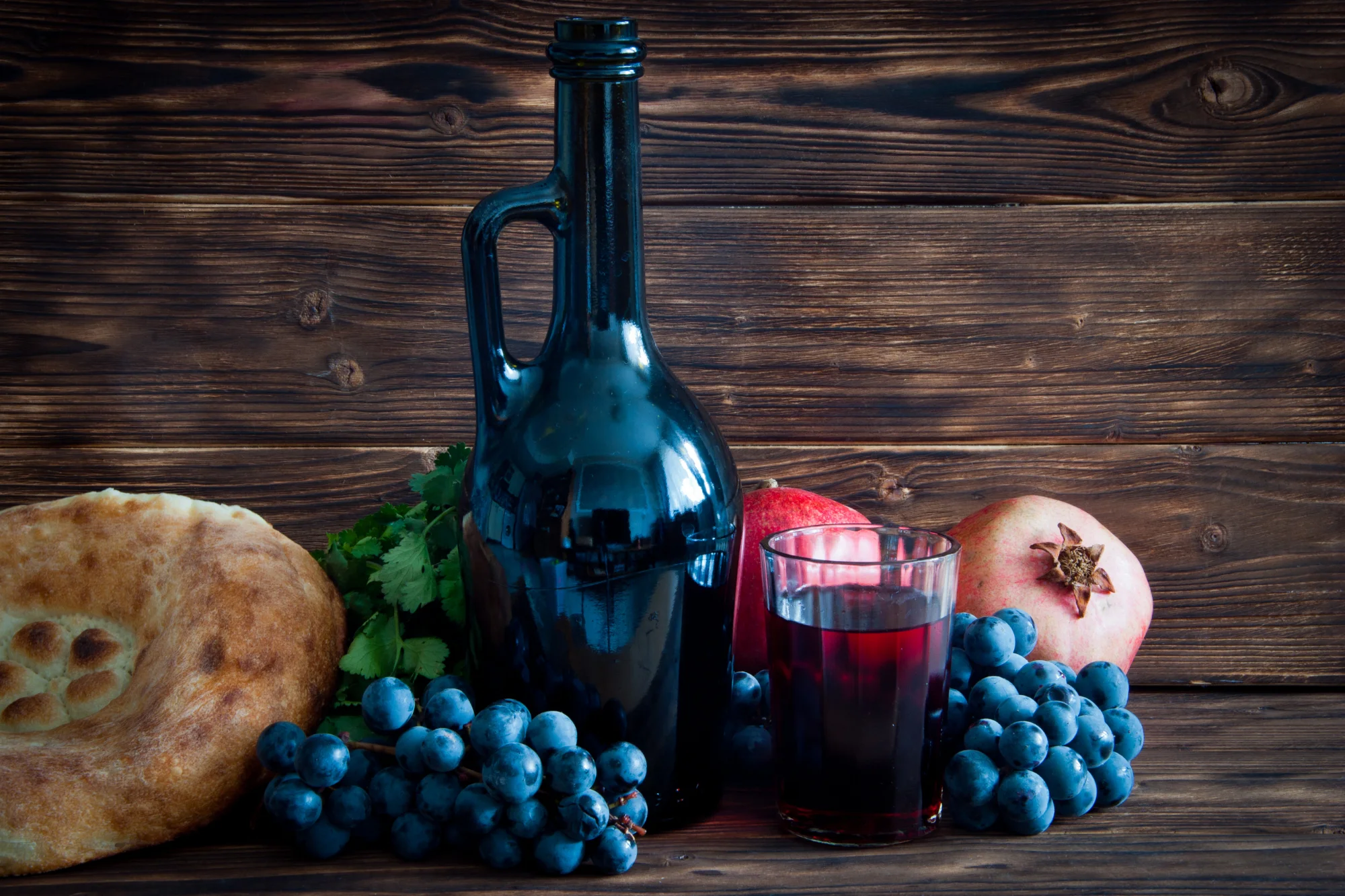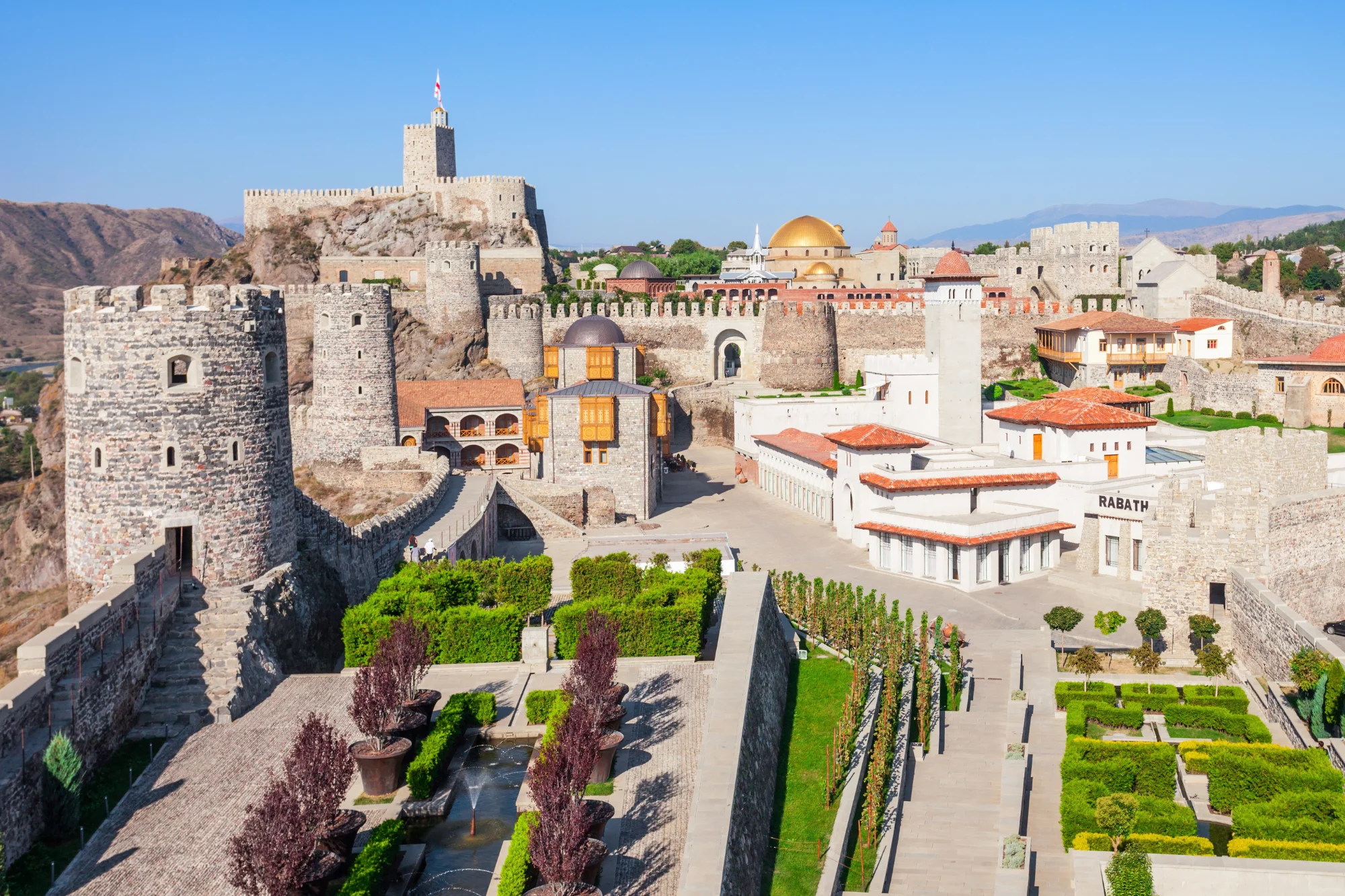

Georgia’s Culinary Heritage
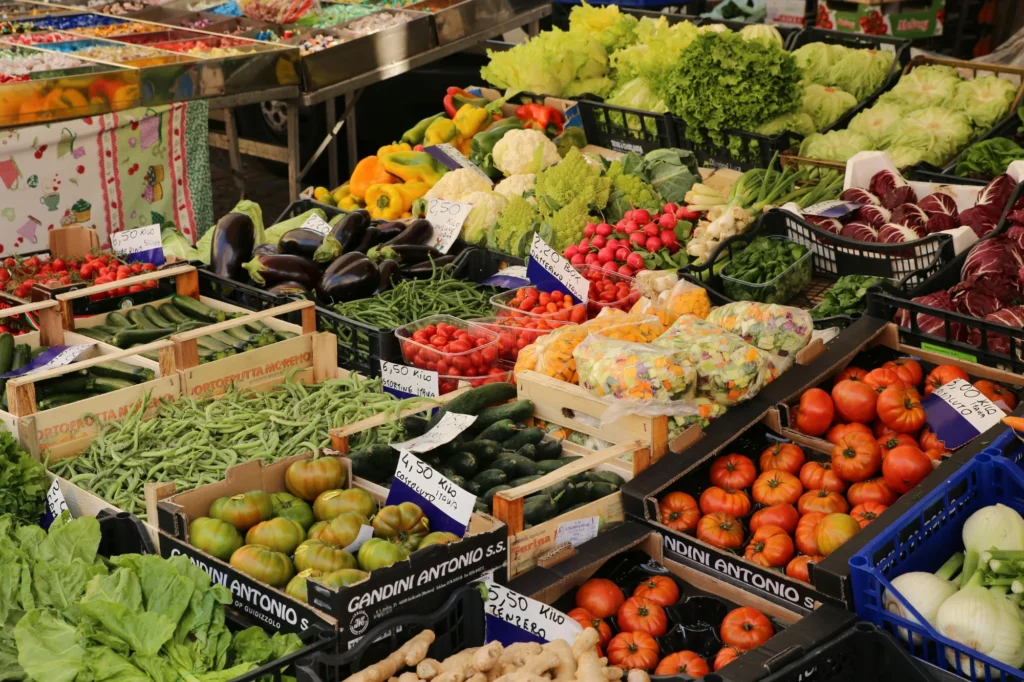
Georgia’s culinary landscape is as rich and diverse as its history. The food is bold, comforting, and inherently social, designed to bring people together. Sharing meals is not just about nourishment; it is a celebration of community, heritage, and local flavors. Exploring Georgian cuisine offers travelers a sensory journey through mountains, valleys, and centuries of tradition. From hearty breads to sweet treats, each dish tells a story of the land, its people, and the seasons.
Must-Try Dishes
Some iconic Georgian dishes that every visitor must try include:

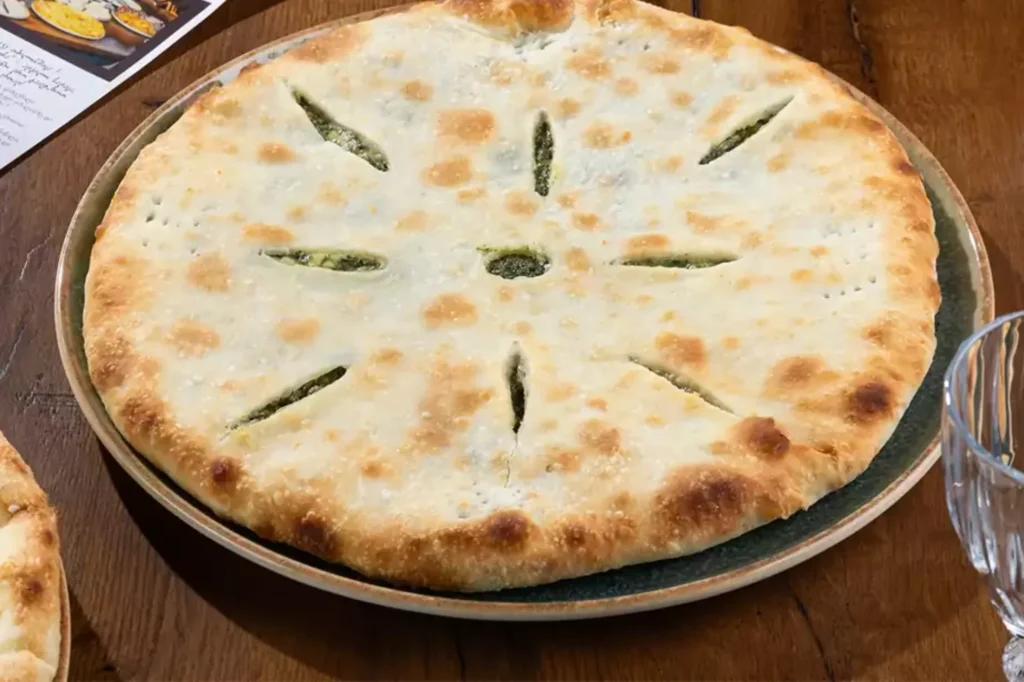
Khachapuri: A beloved cheesy bread with numerous regional variations. The Adjarian khachapuri is boat-shaped with an egg on top, while the Imeretian version is round and stuffed with cheese. Each bite tells the story of its region’s ingredients and traditions. Fresh, hot, and slightly gooey, khachapuri is a perfect example of comfort food elevated by centuries of craft.
Khinkali: Juicy soup dumplings typically filled with spiced meat. The traditional way to eat them is to hold the top knot, take a small bite, sip the flavorful broth, and then consume the rest. Oversized portions are common, so sharing is encouraged. Beyond taste, khinkali is an exercise in etiquette and local tradition.
Pkhali: Walnut-based vegetable spreads, often made with spinach, beetroot, or eggplant. Seasoned with garlic and herbs, pkhali offers a vibrant introduction to Georgia’s love for nuts and fresh produce. Its colorful presentation makes it as delightful to look at as it is to eat.
Mtsvadi: Grilled skewers of marinated meat, usually cooked over an open flame with vine wood for a smoky aroma. Perfectly paired with local wines, mtsvadi exemplifies the simplicity and depth of Georgian flavors. Every bite is an interplay of smoke, seasoning, and the essence of the region.
Churchkhela: A traditional sweet treat made by stringing nuts and dipping them in thickened grape juice. Often called the “Georgian Snickers,” it’s a popular snack and gift for visitors. Churchkhela is a living symbol of the country’s agricultural ingenuity.
Regional Specialties
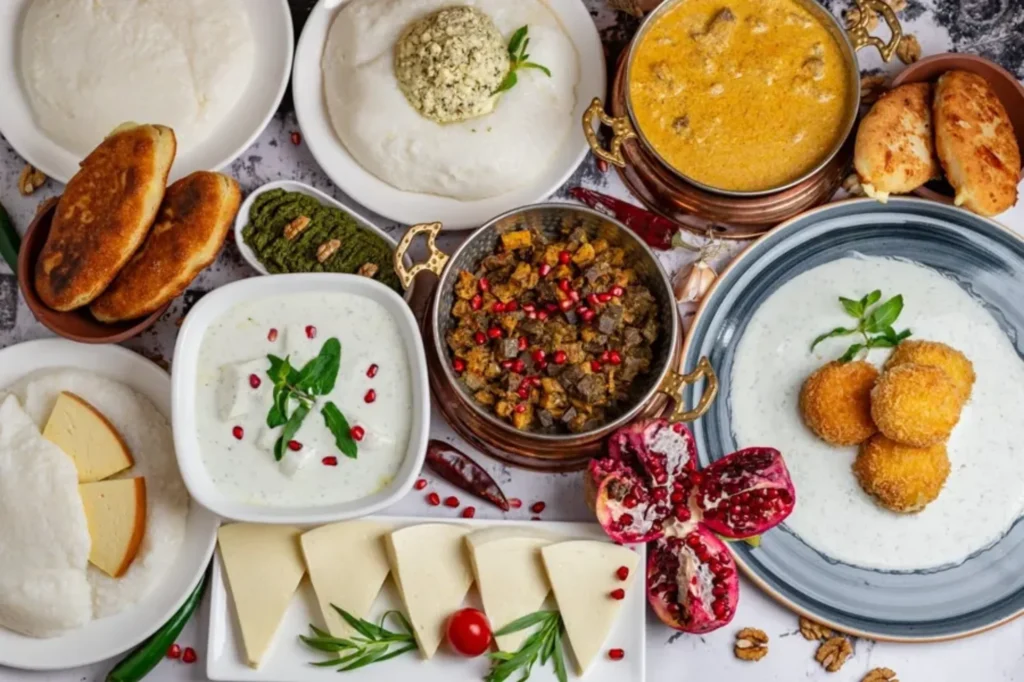
Georgia’s diverse regions boast unique culinary traditions. In Svaneti, hearty mountain dishes like Kubdari (meat-filled bread) provide sustenance in cold alpine climates. Kakheti, the wine region, incorporates fresh herbs and locally-produced cheese into almost every dish. Coastal regions, such as Adjara, feature fish and seafood specialties, often enhanced with aromatic spices and butter. Exploring multiple regions reveals how climate, terrain, and local culture influence every recipe.
Where to Eat
To experience authentic Georgian cuisine, consider these options:
Family-run “house” restaurants: Found in small towns, these establishments offer home-style cooking, warm hospitality, and the chance to meet locals who often share stories alongside the food.
City bakeries: Ideal for sampling fresh khachapuri, pastries, and other baked goods. The aroma itself is an invitation to taste and linger.
Local markets: The best place to find seasonal produce, homemade cheeses, churchkhela, and traditional snacks. Exploring markets allows travelers to interact directly with producers and learn about regional specialties.
Tip: Portions, especially of khinkali, are generous. Sharing allows you to try a variety of fillings without feeling overwhelmed.
The Supra: Cultural and Social Significance
Central to Georgian dining is the supra, a grand feast led by a tamada (toastmaster). The tamada guides the table through toasts for friendship, health, family, and life’s milestones. Wine flows freely, dishes are passed around, and stories are shared. Participating in a supra is not merely about eating; it is joining a living tradition that has bound Georgian communities together for centuries. Travelers often find that this social experience leaves as strong an impression as the food itself.
A supra is a rhythm of conversation, laughter, and ritual. Every toast has meaning, whether honoring ancestors, celebrating a friendship, or marking a personal milestone. Being part of this tradition allows visitors to engage with local culture in a deeply personal way.
Practical Tips for Dining
Pace yourself: Georgian meals are long and rich; savor each course rather than rushing through.
Be adventurous: Sample regional specialties, even unfamiliar ones, to fully experience local flavors.
Engage with locals: Asking about dishes and customs often leads to stories and insights.
Respect traditions: Supers are ceremonial; follow the tamada’s lead during toasts and participate respectfully.
Pair food and drink: Georgian cuisine is designed to pair with its wines and chacha (grape brandy). A proper pairing enhances the depth and experience of the meal.
Seasonal timing: Certain dishes or festivals may be available only at specific times of year. Exploring the culinary calendar can enrich the trip.
Conclusion: Why Georgian Cuisine Is Unforgettable

From the first bite of warm, cheesy khachapuri to the shared laughter around a supra, Georgian cuisine is an unforgettable experience. Each dish reflects the land, the seasons, and centuries of tradition. Dining in Georgia is more than tasting food; it is immersing oneself in a culture of hospitality, celebration, and community. Every meal is an opportunity to connect — with the land, with history, and with the people who continue to nurture these flavors across generations.